To scale your online presence, the right digital marketing services for website traffic combine long-term value with immediate wins. When you compare digital marketing services for traffic, combining high-intent SEO with targeted PPC ads yields the fastest, most sustainable growth. You need a mix of content depth, paid precision, and email nurturing to turn clicks into customers right now.
Imagine You built a website. You launched it. And now you’re staring at Google Analytics wondering why no one’s showing up.
Here’s the hard truth: a website without traffic is just a digital business card collecting dust. And in 2026, the competition for attention online is fiercer than ever. But here’s the good news — the right digital marketing services for website traffic don’t just bring visitors. They bring the right visitors — people who are actively searching for what you offer, ready to convert.
This guide breaks down every major digital marketing service, how each one works, what it costs, and which combination gives you the fastest and most sustainable traffic growth. Whether you’re a small business owner, a growing e-commerce brand, or a marketing manager looking to benchmark your strategy — this is the most complete resource you’ll read today.
Let’s get into it.
Why Website Traffic Matters for Business Growth
Website traffic is the lifeblood of your digital storefront. Without a steady stream of visitors, you lose the opportunity to build brand awareness, generate high-quality leads, and capture revenue. To capture this momentum, implementing targeted digital marketing services for website traffic ensures your business stays visible, outpaces competitors, and converts passing clicks into sustainable growth.
How Higher Traffic Increases Brand Visibility
More traffic means more eyeballs. And more eyeballs mean more people recognizing your brand, trusting your name, and eventually choosing you over competitors. With the proper execution of different digital marketing services for website traffic, you can expect a highly recognized brand authority.
- Brand recall compounds over time — the more people see your website in search results, the more familiar (and trustworthy) your brand becomes
- Organic search visibility puts you in front of high-intent audiences who are actively looking for what you offer
- Consistent traffic signals authority to search engines, which boosts your rankings further — a virtuous cycle
- Multi-channel exposure through digital marketing increases touchpoints, meaning customers encounter your brand across Google, social media, email, and more
- Referral traffic from other sites reinforces your credibility and expands your audience reach organically
Why Qualified Traffic Matters More Than Traffic Volume
Getting 100,000 visitors who bounce immediately is worse than getting 5,000 visitors who convert. This is where digital marketing services for website traffic that are built around strategy — not just numbers — win every time.
- Qualified traffic means people who actually want what you sell — they searched with intent, clicked your result, and stayed
- Vanity metrics (like raw pageviews) don’t pay bills; conversions, time-on-site, and return visits do
- Audience targeting precision from services like PPC and email marketing ensures you’re spending money on the right people
- Lower bounce rates signal relevance to search engines, helping your rankings climb
- Higher average order value comes naturally when the right people find your site — not just anyone
The Connection Between Website Traffic and Revenue Growth
Traffic and revenue are directly linked — but only when the right systems are in place.
- Every additional 1,000 qualified visitors per month can represent thousands in additional revenue, depending on your conversion rate and average sale
- Digital marketing importance for website traffic isn’t theoretical — businesses that invest consistently in traffic generation report 2–3x faster revenue growth than those that don’t
- Website traffic feeds your entire sales funnel: awareness → consideration → decision
- More traffic creates more data, which helps you optimize offers, pricing, and messaging
- Businesses with strong organic traffic have a significant competitive moat that’s hard for competitors to replicate quickly
Common Reasons Businesses Struggle to Get Traffic
Most businesses struggling with traffic are making the same mistakes. Here’s what’s killing your growth:
Weak backlink profile — without credible sites linking to yours, Google has no reason to trust you
No clear SEO strategy — publishing content without keyword research is like shouting into a void
Poor technical health — slow page speeds, crawl errors, and broken links stop Google dead in its tracks
Inconsistent content publishing — sporadic posting doesn’t build authority; search engines reward consistency
Over-relying on one channel — putting all your eggs in the paid ads basket leaves you vulnerable when costs rise
Ignoring search intent — creating content that doesn’t match what users are actually looking for kills rankings before they start
What Are Digital Marketing Services That Increase Website Traffic?
To outpace competitors, the primary digital marketing services for website traffic are Search Engine Optimization (SEO), Pay-Per-Click (PPC) advertising, and targeted content marketing. When you compare digital marketing services for traffic, SEO secures long-term organic authority, while PPC delivers immediate visibility. Deploying these together builds a resilient, high-converting funnel that maximizes your digital reach.
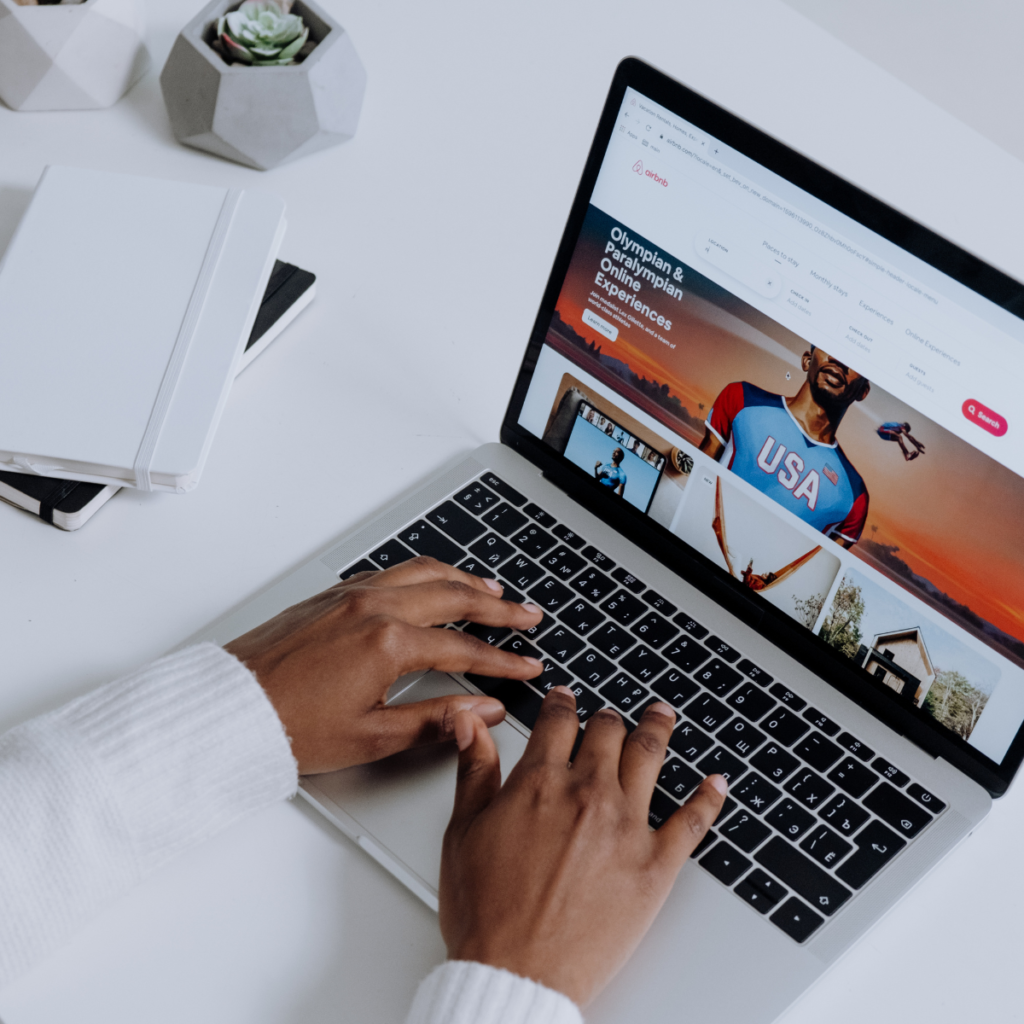
Digital marketing services for website traffic come in many forms — and the smartest businesses use a combination of them. Here’s a breakdown of every major service category you should know.
Search Engine Optimization (SEO) Services
SEO is the foundation of long-term, sustainable traffic growth. It’s about making your website visible to people searching for what you offer on Google and other search engines.
- Keyword research identifies exactly what your audience is typing into search engines
- On-page optimization improves your title tags, meta descriptions, headers, and content structure
- Technical SEO fixes crawlability, site speed, Core Web Vitals, and mobile-friendliness
- Link building earns authoritative backlinks that boost your domain’s trust and rankings
- Local SEO helps location-based businesses appear in Google Maps and local search results
- SEO services to boost traffic deliver compounding returns — the longer you invest, the more traffic you get for free
Content Marketing Services
Content marketing is how you attract, educate, and convert your audience through valuable, relevant information.
- Blog posts, guides, and case studies that rank for high-intent keywords
- Content marketing for website traffic works by solving your audience’s problems before they even contact you
- Pillar content and topic clusters establish your site as an authority in your niche
- Content repurposing across video, social, and email amplifies reach without starting from scratch
- Long-form SEO content consistently outperforms thin, generic posts in organic rankings
Pay-Per-Click (PPC) Advertising Services
PPC is the fastest way to drive traffic to a website — you pay to appear at the top of search results immediately.
- Google Ads place your business in front of high-intent searchers the moment they search for your product or service
- PPC services to drive traffic are ideal for new businesses, product launches, and seasonal campaigns
- You only pay when someone clicks — making budget management precise and measurable
- Remarketing campaigns bring back visitors who didn’t convert the first time
- A/B testing ad copy and landing pages continuously improves your cost per acquisition
Social Media Marketing Services
Social media drives massive referral traffic when done strategically — not just posting and hoping.
- Social media marketing for traffic growth leverages platforms like Instagram, LinkedIn, Facebook, TikTok, and X
- Organic content builds community and drives consistent referral clicks over time
- Paid social campaigns can reach millions of targeted users in days
- Short-form video content (Reels, TikToks, YouTube Shorts) drives explosive viral reach
- Social proof from high-engagement posts increases click-through rates to your website
Email Marketing Services
Email marketing is the most underrated traffic channel — and it’s owned media, meaning no algorithm can take it from you.
- Email marketing to increase traffic works by sending your existing audience back to your latest content and offers
- Segmented campaigns ensure the right message reaches the right person at the right time
- Email automation nurtures leads passively, driving repeat traffic without ongoing effort
- Newsletter content keeps your brand top-of-mind between purchase decisions
- Re-engagement campaigns revive dormant subscribers and bring them back to your site
Conversion Rate Optimization (CRO) Services
CRO doesn’t increase traffic directly, but it makes every visitor you do get far more valuable.
- Analyzing user behavior through heatmaps, session recordings, and A/B tests
- Improving landing page design, copy, and calls-to-action to increase conversion rates
- Reducing friction in the checkout or sign-up process
- Better conversions improve ROI, which frees up budget for more traffic generation
- CRO data reveals exactly what your audience wants — which feeds better content and ad strategy
AI-Powered Digital Marketing Services
AI is completely reshaping how businesses generate and convert traffic — and the agencies using it are winning fast.
AI tools analyze vast datasets to find content gaps, keyword opportunities, and audience segments instantly
AI-powered digital marketing services automate repetitive tasks like reporting, ad optimization, and content ideation
Predictive analytics forecast which campaigns will perform best before you spend a dollar
AI personalization delivers tailored website experiences to different visitor segments
Which Digital Marketing Service Is Best for Increasing Website Traffic?
When you need immediate results, Pay-Per-Click (PPC) advertising and paid social media campaigns are the fastest digital marketing services for website traffic. When analyzing SEO vs PPC for website traffic, PPC bypasses organic timelines to put you instantly in front of target buyers. Activating these paid channels ensures you capture high-intent leads and drive immediate revenue growth.
Speed matters. If you need traffic now, some services deliver in days. Others take months. Here’s the honest breakdown.
How Google Ads Generate Immediate Traffic
Google Ads is the fastest traffic solution on the planet — bar none.
- Setup to traffic in 24–72 hours — once your campaign is live, your ads appear immediately in search results
- You reach users at the exact moment they’re searching with buying intent — not just browsing
- PPC services to drive traffic let you target specific locations, devices, demographics, and search terms with precision
- Budget control means you can start small and scale what works with data backing every decision
- Call extensions, site links, and lead forms capture interest before the user even reaches your website
Why SEO Delivers Sustainable Long-Term Traffic
SEO is slower to start but builds an asset that pays dividends forever.
- Most businesses start seeing meaningful SEO results within 3–6 months, with compounding growth after 12 months
- Once you rank, traffic is essentially free — no cost per click, no budget limits
- SEO services to boost traffic create a competitive moat that’s extremely difficult for competitors to overcome quickly
- Organic traffic converts at higher rates because users trust Google’s recommendations
- A well-optimized site continues generating traffic even during periods when you reduce investment
How Social Media Campaigns Drive Rapid Visibility
Social media can spike traffic in hours — especially when content goes viral or a paid campaign launches.
- Paid social campaigns on Facebook and Instagram can reach 500,000+ targeted users within 48 hours
- Viral organic content — especially Reels and TikToks — can drive massive referral traffic spikes overnight
- Influencer partnerships can expose your brand to massive, highly-engaged audiences immediately
- LinkedIn campaigns are exceptionally fast for B2B traffic — targeting by job title, industry, and company size
- Best social media services for traffic combine organic community building with paid amplification for maximum impact
The Fastest Traffic Strategy for New Businesses
If you’re starting from zero, here’s the honest answer:
- Start with Google Ads or Meta Ads — paid traffic gives you immediate data and revenue while your organic presence builds
- Run PPC and SEO simultaneously from day one — they feed each other’s insights
- Use paid social to build your audience and email list while organic content gains traction
- Digital marketing packages to increase traffic that combine paid + organic give new businesses the fastest path to sustainable growth
- Invest in content marketing from month one so that your SEO compound interest starts accumulating early
Organic Traffic vs Paid Traffic: Which Is Better?
This debate misses the point — the answer is both, used strategically.
- Paid traffic delivers speed, precision targeting, and immediate data; it stops the moment your budget runs out
- Organic traffic takes time but compounds indefinitely and has zero ongoing cost per click
- The businesses with the best long-term traffic growth combine SEO, content, and paid channels in a layered strategy
- SEO vs PPC for website traffic isn’t an either/or choice — top-performing brands use PPC to fund growth while SEO matures
- Email marketing bridges both worlds — it’s free to send, owned by you, and converts at higher rates than most paid channels
Best Digital Marketing Services for Long-Term Traffic Growth
For sustainable equity, the best digital marketing services for website traffic are organic SEO and value-first content marketing. When you compare digital marketing services for traffic, paid ads stop the moment your budget ends, but optimized content builds an compounding asset. Investing in SEO services ensures you dominate search results and capture steady organic traffic long into the future.
If you’re playing the long game — and you should be — these are the services that build compounding, defensible traffic assets.
Why SEO Is Essential for Consistent Traffic
SEO is the single most powerful long-term investment in digital marketing services for website traffic.
- Search engines process over 8.5 billion queries per day — organic search is still the #1 traffic driver for most websites
- SEO traffic is highly qualified, intent-driven, and free after your initial investment in optimization
- Website traffic growth with digital marketing is most consistent when SEO is the core foundation
- Businesses that rank on page one of Google for competitive keywords often see 10x more traffic than page two results
- Long-tail SEO strategies capture thousands of low-competition searches that collectively drive massive volume
How Content Marketing Builds Topical Authority
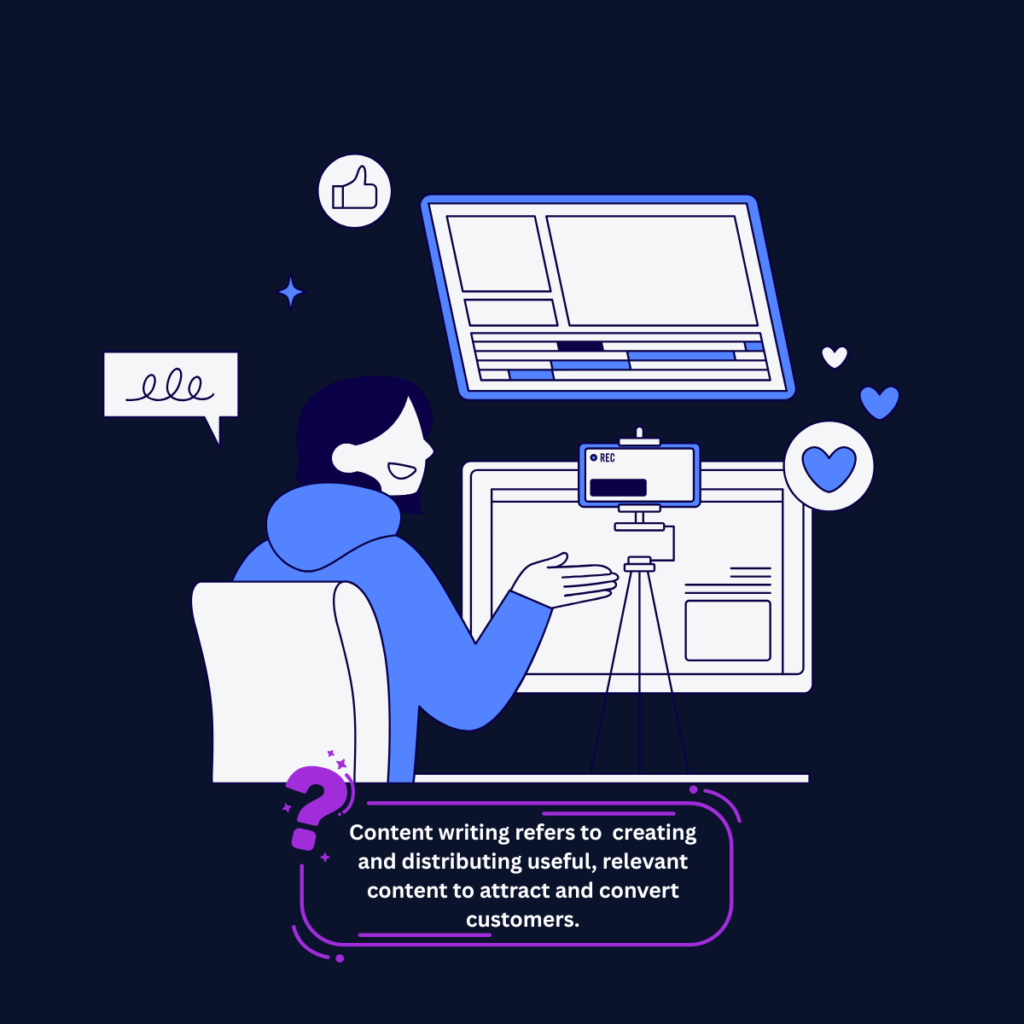
Content marketing is how you tell search engines — and your audience — that you’re the definitive expert in your space.
- Publishing comprehensive content that covers every angle of your topic builds topical authority
- The more authority your site has in a niche, the easier it becomes to rank new content faster
- Content marketing agencies for traffic growth build content ecosystems — not just individual blog posts
- Topic clusters (pillar pages + supporting articles) signal deep expertise to Google’s algorithms
- Evergreen content continues driving traffic for years after publication with minimal maintenance
The Role of Backlinks in Organic Traffic Growth
Backlinks are votes of confidence from other websites — and Google still cares about them enormously.
- A single high-quality backlink from an authoritative site can move rankings meaningfully within weeks
- Digital marketing solutions for traffic increase almost always include a link-building component
- Earning backlinks through original research, data studies, and expert content outperforms aggressive link buying
- Internal linking also distributes authority throughout your site, lifting lower-performing pages
- Disavowing toxic backlinks from spammy sites protects your domain from algorithmic penalties
Why Technical SEO Impacts Search Visibility
You can have the best content in the world — but if your site has technical problems, Google won’t rank it.
- Core Web Vitals (loading speed, interactivity, visual stability) are direct Google ranking factors
- Mobile-friendliness is non-negotiable — over 60% of all web traffic now comes from mobile devices
- Digital marketing importance for website traffic includes making your site crawlable, indexable, and fast
- Fixing duplicate content issues, broken links, and redirect chains eliminates ranking dilution
- Structured data markup (schema) helps search engines understand your content and display rich results
How AI Optimization Improves Future Traffic Potential
AI isn’t the future of digital marketing — it’s the present. And businesses ignoring it are already falling behind.
- AI tools identify content gaps your competitors are missing and generate optimized briefs in minutes
- AI content optimization for search engines improves relevance scores, entity coverage, and semantic depth
- Predictive analytics help you forecast which keywords will see traffic growth before competitors catch on
- AI-powered personalization improves on-site experience, reducing bounce rates and improving dwell time
- Why businesses are switching to AI marketing agencies is simple: they get faster results with smarter data at lower cost
How SEO Services Increase Website Traffic
SEO services boost your visibility by aligning your site with user search intent. By optimizing technical infrastructure and targeting high-value keywords, it ranks you where your buyers look. When assessing SEO vs PPC for website traffic, SEO delivers sustainable, recurring value. Deploying targeted organic strategies ensures your site captures steady, compound visibility without paying per click.
SEO isn’t one tactic — it’s a full system of interconnected strategies that work together to drive organic traffic growth.
Keyword Research and Search Intent Optimization
Everything in SEO starts with understanding what your audience is searching for and why.
- Keyword research uncovers the exact phrases your ideal customers type into Google every day
- Search intent categorization (informational, navigational, commercial, transactional) ensures every page is built for the right audience at the right funnel stage
- Long-tail keywords (3+ words) have lower competition and often higher conversion rates than broad terms
- Competitor keyword gap analysis reveals opportunities your rivals are ranking for that you’re missing entirely
- How digital marketing services increase website traffic through SEO always begins with building a keyword universe that maps to real user needs
On-Page SEO Strategies That Improve Rankings
On-page SEO is about making every page on your site as relevant and useful as possible for your target keywords.
- Optimizing title tags, H1s, and meta descriptions with primary and secondary keywords
- Using natural keyword distribution (not stuffing) throughout content to signal relevance
- Improving internal linking to pass authority to important pages and help users navigate
- Adding multimedia (images, videos, infographics) to improve engagement and dwell time
- Structuring content with clear H2/H3 headers so both users and search engines can scan it efficiently
Technical SEO Fixes That Increase Visibility
Technical SEO is the invisible backbone of your organic traffic strategy.
- Improving page load speed through image compression, code minification, and CDN implementation
- Fixing crawl errors, 404 pages, and broken redirect chains that waste Google’s crawl budget
- Implementing HTTPS, clean URL structures, and XML sitemaps for better indexation
- Resolving duplicate content issues with canonical tags or 301 redirects
- Optimizing for Core Web Vitals to meet Google’s page experience requirements
Link Building Strategies for Higher Authority
Building a strong backlink profile is one of the highest-leverage activities in SEO.
- Digital outreach to industry publications, blogs, and news sites for guest posting opportunities
- Creating original research, surveys, and data studies that journalists and bloggers naturally want to cite
- Broken link building — finding dead links on authoritative sites and suggesting your content as a replacement
- Digital marketing services to increase traffic through link building require patience but deliver compounding domain authority over time
- HARO and PR strategies earn high-authority editorial backlinks at scale without manipulative tactics
Local SEO Strategies for Location-Based Businesses
If you serve a specific geographic area, local SEO is one of the most powerful and underutilized traffic channels available.
- Google Business Profile optimization — ensuring complete, accurate information, photos, and regular posts
- Building citations (consistent NAP data) across local directories like Yelp, Apple Maps, and industry-specific platforms
- Earning and responding to Google reviews, which directly influence local pack rankings
- Creating location-specific landing pages optimized for city/region + service keyword combinations
- Digital marketing consulting for traffic growth for local businesses almost always prioritizes local SEO as the highest ROI starting point
How Semantic SEO Helps Websites Rank for More Queries
Semantic SEO is about covering topics comprehensively — not just targeting a single keyword per page.
- Google’s algorithms now understand topics, entities, and context — not just exact keyword matches
- Covering related subtopics, questions, and entities within a single piece of content helps rank for hundreds of long-tail variations
- How digital marketing increases website traffic through semantic SEO means one great article can drive traffic from thousands of different search queries
- Knowledge graph optimization connects your brand to authoritative entities in your industry
- Semantic content strategies reduce keyword cannibalization and build stronger topical relevance signals
How Content Marketing Drives Organic Website Traffic
Content marketing acts as a magnet for your brand by resolving specific user pain points. By publishing authoritative articles and resources, you naturally build topical authority. Selecting the right digital marketing services for website traffic means prioritizing high-quality content that ranks organically, outpaces competitors, and establishes long-term customer trust that consistently converts clicks into revenue.
Content is the engine that powers SEO, social media, email, and every other traffic channel. Here’s how to make it work.
Why High-Quality Content Attracts Visitors
Quality isn’t a buzzword — it’s a direct ranking factor disguised as user behavior.
- Google measures quality through engagement signals: dwell time, scroll depth, click-through rate, and return visits
- Content marketing for website traffic succeeds when content genuinely answers questions better than any competing page
- Original insights, data, and expert perspectives earn backlinks and shares that cheap, generic content never will
- E-E-A-T (Experience, Expertise, Authoritativeness, Trustworthiness) is Google’s framework for evaluating content quality
- High-quality content doesn’t just attract visitors — it earns their trust, which is the precursor to conversion
Blog Content vs Landing Pages for Traffic Growth
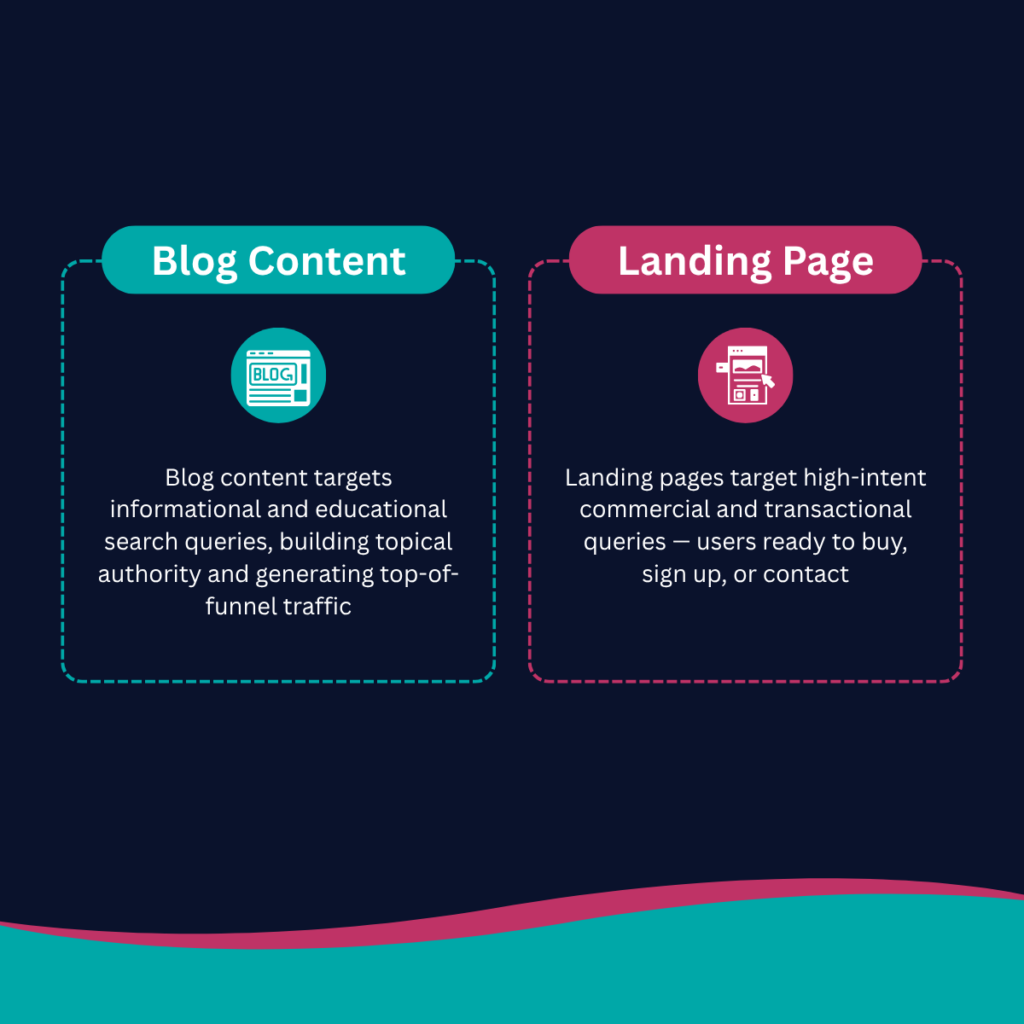
Both serve different purposes in your traffic strategy — and you need both.
- Blog content targets informational and educational search queries, building topical authority and generating top-of-funnel traffic
- Landing pages target high-intent commercial and transactional queries — users ready to buy, sign up, or contact
- Blog posts funnel readers to landing pages through internal links and strategic CTAs
- Best digital marketing strategies for traffic use blog content for SEO volume and landing pages for conversion
- Optimizing both simultaneously creates a full-funnel traffic and conversion ecosystem
How Educational Content Builds Trust and Authority
Teaching your audience is the most powerful form of marketing that exists.
- Educational content answers the questions your audience is asking before, during, and after the buying process
- Digital marketing training for traffic strategies — even as a content format — builds goodwill and positions your brand as the obvious expert to hire
- Whitepapers, guides, tutorials, and how-to content earn backlinks from other sites citing you as a source
- Trust built through education leads to higher email sign-ups, longer session durations, and higher conversion rates
- Consistently educational brands develop loyal audiences who return without needing to be re-acquired through paid ads
Best Content Formats for Increasing Website Traffic
Not all content formats drive equal traffic. Here’s what works best in 2026:
- Long-form blog posts (2,000–5,000 words) consistently dominate page one rankings for competitive informational queries
- Video content (especially YouTube) drives massive search traffic and increases time-on-site when embedded
- Infographics earn natural backlinks and social shares better than almost any other format
- Original research and data reports attract journalist citations, high-authority backlinks, and press coverage
- Interactive tools and calculators generate traffic continuously and earn high engagement signals that boost rankings
How Often Businesses Should Publish Content
Consistency beats intensity every time.
- Most businesses should publish 2–4 high-quality blog posts per week — prioritizing depth over frequency if resources are limited
- Quality of 1 exceptional post outperforms 5 thin posts in every SEO metric that matters
- Content marketing agencies for traffic growth typically recommend a 12-month editorial calendar built around keyword research, not guesswork
- Updating and refreshing old content can be just as valuable as publishing new content — and often faster to rank
- A digital marketing workshops for traffic growth mindset applies here: build systems for publishing, not one-off campaigns
Paid Advertising Services That Increase Website Traffic Quickly
Paid advertising bypasses organic timelines to put your brand instantly before ready-to-buy audiences. Utilizing premium PPC services to drive traffic through Google and social media ads ensures immediate visibility for critical keywords. It is the fastest way to accelerate web traffic, capture high-intent leads, and scale your business revenue without waiting for search engines to catch up.
When you need traffic now, paid advertising delivers. Here’s how to spend smarter, not just more.
How Google Ads Drive High-Intent Traffic
Google Search Ads are the gold standard for driving qualified, ready-to-buy traffic.
- Users clicking Google Ads are actively searching for a solution — this is the highest purchase intent of any digital channel
- PPC services to drive traffic through Google allow targeting by keyword, location, device, time of day, and audience demographics simultaneously
- Smart Bidding strategies (Target CPA, Target ROAS) use machine learning to optimize bids in real-time
- Google Performance Max campaigns expand reach across Search, Display, YouTube, Gmail, and Maps from a single campaign
- Quality Score (determined by ad relevance, landing page experience, and CTR) directly reduces your cost per click
Meta Ads for Website Traffic Growth
Facebook and Instagram Ads are the best platforms for reaching people who don’t yet know they need you.
- Meta’s audience targeting is unmatched — interest, behavior, demographic, lookalike, and retargeting audiences
- Social media marketing for traffic growth through Meta works especially well for e-commerce, local businesses, and B2C brands
- Creative testing (images vs video vs carousel) reveals which content resonates best with your specific audience
- Advantage+ Shopping campaigns use AI to automatically optimize product-level targeting and creative
- Meta Ads generate traffic at lower CPCs than Google for brand awareness and top-of-funnel objectives
Retargeting Strategies That Bring Visitors Back
Most visitors don’t convert on their first visit — retargeting brings them back.
- Website retargeting shows ads to users who visited specific pages on your site but didn’t convert
- Digital advertising for website traffic retargeting campaigns typically deliver 2–5x better conversion rates than cold audience campaigns
- Segmented retargeting (by product viewed, cart abandoned, blog read) delivers hyper-relevant messaging
- Cross-platform retargeting reaches the same user across Google, Meta, YouTube, and display networks
- Dynamic retargeting automatically shows users the exact products or services they viewed — removing friction from the return visit
How Landing Page Optimization Improves Ad Performance
Sending paid traffic to a generic homepage is one of the most expensive mistakes in digital marketing.
- Dedicated landing pages with a single, clear CTA convert at 3–5x higher rates than homepages
- Affordable digital marketing services for traffic growth aren’t enough if your landing page kills conversions — optimization is mandatory
- A/B testing headlines, hero images, CTA button text, and form length reveals what converts your specific audience
- Page load speed is critical — a 1-second delay in load time can reduce conversions by 7%
- Social proof (reviews, testimonials, trust badges) placed above the fold dramatically increases landing page conversion rates
Common Paid Advertising Mistakes Businesses Make
Avoid these costly errors before you spend another dollar on ads:
- Sending all traffic to the homepage instead of relevant, dedicated landing pages
- Setting and forgetting campaigns — paid ads require continuous testing and optimization to remain profitable
- Ignoring Quality Score — low scores inflate your costs and reduce ad visibility
- Targeting too broadly — reaching everyone means converting no one; laser-focused targeting wins
- Not using negative keywords — which wastes budget on irrelevant searches that will never convert
Social Media Marketing Services for Traffic Growth
To maximize reach, the best social media services for traffic focus on high-impact visual storytelling and targeted audience segmentation. By prioritizing social media marketing for traffic growth, you route active users straight to your site. Pairing this with organic digital marketing services for website traffic ensures you capture ready-to-act consumers and accelerate your conversions immediately.
Social media is a traffic goldmine — when you use it with strategy, not just activity.
Which Social Platforms Drive the Most Website Traffic?
Not all platforms deliver equal referral traffic. Here’s where to focus:
- Pinterest drives the highest volume of consistent referral traffic for lifestyle, food, fashion, and DIY niches — often rivaling Google for these categories
- LinkedIn is the top platform for B2B website traffic, especially for SaaS, consulting, and professional services brands
- YouTube drives the second-largest search traffic volume after Google — and embeds boost on-site engagement metrics
- Facebook remains powerful for community-driven referral traffic, especially in groups and local business pages
- TikTok and Instagram drive massive awareness traffic through viral content but require strong link-in-bio strategy to convert to website visits
Organic Social Media vs Paid Social Advertising
Both serve different roles — and the best strategies use them together.
- Organic social builds community, trust, and brand affinity over time with zero media spend
- Paid social amplifies your best organic content to new audiences and drives immediate, targeted traffic
- Organic vs paid traffic strategies work best in combination: organic validates messaging; paid scales what works
- Organic content provides the creative testing ground; paid campaigns then amplify proven winners
- Best social media services for traffic include both community management and paid media management for maximum reach
How Short-Form Video Increases Click-Through Rates
Short-form video is the most powerful organic content format in 2026 — and it’s driving unprecedented traffic to websites.
- TikTok, Instagram Reels, and YouTube Shorts have algorithm-driven distribution that gives new creators immediate reach
- Strong hooks in the first 2–3 seconds determine whether your video reaches thousands or millions
- Educational short-form video with a clear CTA (link in bio, swipe up, comment for link) consistently drives qualified traffic
- Authentic, value-first content outperforms polished but generic production when it comes to driving click-throughs
- Repurposing your best short-form videos as YouTube Shorts extends reach across multiple platforms with minimal extra effort
Influencer Marketing and Referral Traffic
Influencer partnerships are one of the fastest ways to drive qualified referral traffic from audiences that already trust the messenger.
- Micro-influencers (10K–100K followers) often deliver higher engagement rates and more qualified clicks than mega-influencers
- Influencer marketing and referral traffic works best when the influencer’s audience aligns precisely with your target customer
- Affiliate-based influencer campaigns create performance incentives that align influencer effort with your traffic goals
- Influencer content also generates organic social proof that you can repurpose across your own channels
- Story and video content from influencers drives higher click-through to bio links than static posts
Social Media Strategies That Convert Visitors Into Customers
Traffic from social is only valuable if it converts. Here’s how to close the loop:
- Build dedicated landing pages for each major social campaign — matching the creative and messaging of the ad or post
- Use strong lead magnets (free guides, tools, discounts) to capture email addresses from social traffic
- Retarget social visitors with follow-up ads across Google and Meta to maintain touchpoints until conversion
- Customer engagement for traffic growth means building community that repeatedly returns — not just driving one-time visits
- Track social traffic separately in analytics so you can identify which platforms and content types drive the most conversions
AI-Powered Digital Marketing Services in 2026
In 2026, the landscape has shifted to Answer Engine Optimization (AEO) and Generative Engine Optimization (GEO). Standard tactics no longer cut it. When you compare digital marketing services for traffic, integrating AI-driven semantic SEO with predictive PPC bidding is the only way to bypass zero-click search declines. You must secure AI citations now through premium digital marketing services for website traffic to capture high-intent buyers instantly.
AI isn’t changing digital marketing — it’s accelerating it. Here’s what that means for your traffic strategy.
How AI Is Changing Website Traffic Generation
The rules of traffic generation are being rewritten by artificial intelligence in real time.
- AI enables hyper-personalized marketing at scale — delivering the right message to the right person at the exact right moment
- Content creation, keyword research, and campaign optimization that once took days now takes hours
- AI-powered search engines (Google AI Overviews, Perplexity, ChatGPT Search) are creating new opportunities for brand visibility beyond traditional rankings
- Machine learning ad platforms continuously optimize targeting without manual intervention, improving results over time
- Why businesses are switching to AI marketing agencies is clear: AI-powered teams simply get better results faster than traditional agencies
AI Content Optimization for Search Engines
AI tools have fundamentally improved how content is created, optimized, and ranked.
- AI content optimization for search engines analyzes top-ranking content and identifies exactly what topics, entities, and questions your content needs to cover
- NLP-based content graders (Clearscope, Surfer SEO) score your content against competitors and provide specific optimization recommendations
- AI writing tools help produce first drafts that are then refined by human experts — dramatically increasing content output without sacrificing quality
- Content gap analysis powered by AI identifies topics your competitors rank for that you haven’t covered yet
- AI summarization helps optimize content for featured snippets and AI Overviews — the new premium real estate in search
How AI Tools Improve Audience Targeting
The targeting precision that AI enables was simply impossible five years ago.
- Lookalike modeling now uses hundreds of behavioral signals instead of basic demographic filters
- Predictive audience segments identify users most likely to convert before they’ve even interacted with your brand
- AI-driven dynamic creative optimization automatically shows different ad variations to different audience segments based on predicted performance
- Behavioral AI analyzes on-site user patterns to segment audiences by purchase intent in real time
- Email marketing AI predicts the optimal send time for each individual subscriber — improving open rates and driving more traffic per send
Predictive Analytics and Traffic Forecasting
Making data-driven decisions before spending a dollar is the new competitive advantage.
- Predictive analytics and traffic forecasting allows businesses to model expected traffic and revenue from marketing investments before committing budget
- AI models analyze historical traffic patterns, seasonality, and market trends to forecast future performance with surprising accuracy
- Predictive keyword tools identify search terms that are growing in volume before the competition floods in
- Churn prediction models identify which customers are at risk of disengaging — allowing preemptive retention campaigns
- Multi-touch attribution modeling (powered by AI) shows exactly which digital marketing channels are actually driving revenue, not just traffic
Why Businesses Are Switching to AI Marketing Agencies
The performance gap between AI-powered agencies and traditional ones is becoming impossible to ignore.
- AI agencies deliver faster research, faster content production, and faster campaign iteration than manually operated teams
- Top digital marketing services for website traffic in 2026 are increasingly differentiated by AI capability — not just team size or reputation
- AI-powered reporting provides real-time insights instead of monthly spreadsheets that are already outdated
- Automated testing (AI running hundreds of ad variations simultaneously) accelerates learning curves dramatically
- The cost efficiency of AI-augmented teams means affordable digital marketing services for traffic growth can now deliver enterprise-level results at SMB budgets
SEO vs PPC vs Social Media: Which Generates the Best Traffic?
When evaluating SEO vs PPC for website traffic alongside social media, the “best” channel depends on your speed and budget. PPC delivers immediate, high-intent visibility, while SEO acts as a compounding asset for long-term organic authority. Social media maximizes brand engagement. To dominate, compare digital marketing services for traffic and blend these channels to capture multi-touch conversions instantly.
The eternal debate — let’s settle it with data, not opinion.
Cost Comparison Between SEO, PPC, and Social Media
Understanding true costs (not just sticker prices) is essential for making smart investment decisions.
- SEO: higher upfront investment (strategy, content, links) with near-zero ongoing cost per click; average monthly retainer $2,000–$10,000+ depending on competitiveness
- PPC: immediate but continuous cost; Google Ads average CPC ranges from $1–$20+ depending on industry; budget stops = traffic stops
- Social Media (organic): low financial cost but high time investment; paid social requires ongoing ad spend of $500–$50,000+/month depending on scale
- Email marketing services to drive traffic: extremely cost-effective once your list is built; platforms cost $50–$500/month for most SMBs
- SEO vs PPC for website traffic: SEO delivers lower cost-per-visitor over 12+ months; PPC wins on speed and predictability in months 1–6
Which Strategy Delivers the Highest ROI?
ROI depends on your timeline, industry, and budget — but the data points in a clear direction.
- SEO delivers the highest long-term ROI — organic traffic compounds, doesn’t require per-click payment, and builds a permanent asset
- Email marketing consistently delivers the highest short-term ROI — $36–$42 return for every $1 spent in most studies
- PPC delivers measurable, predictable ROI in shorter timeframes but requires continuous investment to maintain
- For most businesses over a 2-year horizon, SEO + email marketing combined wins on total return
- Content marketing for website traffic compounds across all channels — a great piece of content drives SEO, social, and email traffic simultaneously
Best Traffic Source for Small Businesses
Small businesses have limited budgets — here’s where to focus first.
- Local SEO is the highest ROI starting point for local service businesses — Google Business Profile optimization is free and drives immediate visibility
- Content marketing is the best long-term channel for small businesses — it compounds over time and builds authority that paid channels can’t replicate
- Digital marketing outsourcing for website traffic is often smarter than hiring in-house for small businesses — agency expertise without full-time salary costs
- Email marketing should be built from day one — it’s your owned channel that no algorithm can remove
- Start with local SEO + content marketing; layer in paid ads when revenue allows — this is the proven SMB traffic playbook
Best Traffic Strategy for E-Commerce Brands
E-commerce has unique traffic needs — here’s the playbook that works.
- Google Shopping Ads are non-negotiable for e-commerce — product listing ads drive high purchase-intent traffic at scale
- SEO product and category pages build long-term organic traffic that compounds as your catalog grows
- Email marketing to increase traffic is critical for e-commerce — abandoned cart sequences, post-purchase flows, and promotional emails drive repeat traffic and revenue
- Meta Ads with dynamic product catalogs retarget users who viewed specific products with exactly those products in ads
- Best digital marketing strategies for traffic for e-commerce combine Google Shopping + SEO + email into a unified growth engine
Combining SEO, Ads, and Social Media for Maximum Growth
The brands winning at traffic in 2026 aren’t choosing between channels — they’re stacking them.
- Channel synergy: PPC data reveals which keywords convert best, which informs your SEO content strategy
- Social media amplifies your SEO content, earning more backlinks and improving brand search volume
- Email re-engages blog readers and drives them back to convert — increasing the ROI of content marketing
- Digital marketing solutions for traffic increase that combine all channels create multiple traffic streams — so you’re never vulnerable to one platform’s algorithm change
- Integrated strategies also build brand familiarity across multiple touchpoints, which increases conversion rates across every channel
How to Choose the Right Digital Marketing Agency
To partner with the best digital marketing agency for traffic growth, look for transparent, data-backed case studies rather than vague promises. Avoid agencies hiding behind vanity metrics. Instead, find teams that build comprehensive digital marketing services for website traffic, directly linking clear campaign performance to your baseline revenue growth. Choose an expert partner to outpace competitors today.
Choosing the wrong agency is expensive. Here’s how to get it right.
Questions to Ask Before Hiring an Agency
Don’t sign a contract until you’ve asked every one of these:
- What specific results have you delivered for businesses in my industry? — Generic case studies don’t count; industry-specific proof matters
- How do you measure traffic growth, and what KPIs will you report on? — If they can’t answer this precisely, walk away
- What does your onboarding process look like, and how long until we see results? — Honest agencies set realistic timelines
- Who exactly will be working on my account? — Many agencies oversell with senior talent and deliver with juniors
- Do you use AI tools, and how? — In 2026, the answer should be yes, with clear explanation of which tools and why
- What happens to the work if we stop working together? — You should own all content, data, and strategy deliverables
Red Flags to Avoid When Choosing Marketing Services
These warning signs indicate an agency that will waste your budget:
- Guaranteed #1 rankings — no legitimate agency can guarantee specific Google rankings; this is always a red flag
- Cheap, outsourced content mills — traffic built on thin, AI-generated content collapses after the next Google update
- No clear reporting cadence — if they won’t commit to regular, transparent reporting, they’re hiding poor results
- Lock-in contracts with no performance clauses — the best agencies are confident enough to offer flexibility
- Vanity metrics as success — agencies reporting pageviews without connecting traffic to leads and revenue don’t understand business
How to Evaluate Agency Case Studies and Results
Case studies are only as good as the story they tell — here’s how to read them critically.
- Look for specific, verifiable metrics: “increased organic traffic by 340% in 9 months” is meaningful; “improved visibility” is not
- Check whether the results align with your business type, size, and industry
- Ask for references from current clients — not just cherry-picked testimonials
- Verify whether results were maintained over time or spiked and crashed after a campaign
- The best evidence is consistent growth across multiple clients over 12+ months, not one viral campaign
What KPIs Matter Most for Traffic Growth?
Not all metrics tell the same story. Track what actually matters:
- Organic search traffic (monthly unique visitors from search engines) — the foundational long-term metric
- Keyword rankings for target commercial and informational terms — leading indicator of future traffic
- Domain authority / Domain Rating — reflects the strength of your backlink profile over time
- Conversion rate from traffic — because traffic without conversions is just a vanity metric
- Cost per acquired visitor from paid channels — determines the true efficiency of your ad spend
- Traffic by channel (organic, paid, social, email, direct) — reveals which channels are growing and which are stagnating
Agency vs In-House Marketing Team
This decision depends on your budget, stage, and bandwidth — here’s the honest breakdown.
- Agency advantages: instant access to multi-channel expertise, proven tools and processes, scalability, and no HR overhead
- In-house advantages: deep brand knowledge, faster communication, and long-term institutional knowledge building
- Digital marketing outsourcing for website traffic is typically smarter for businesses under $10M revenue — you get a full team for the cost of 1–2 salaries
- Hybrid models (in-house strategist + agency execution) are increasingly popular and often deliver the best results
- Most agencies now offer digital marketing consulting for traffic growth as a standalone service — giving you expert strategy without full management costs
How Much Do Digital Marketing Services Cost?
Let’s talk numbers — because budget clarity is everything when building a traffic strategy.
SEO Service Pricing Explained
SEO pricing varies enormously — here’s what you’re actually paying for:
- Entry-level/local SEO: $500–$2,000/month — covers basic on-page optimization, local citations, and light content
- Mid-market SEO: $2,000–$7,500/month — includes comprehensive keyword strategy, regular content production, and link building
- Enterprise SEO: $10,000–$50,000+/month — full-scale technical SEO, aggressive content and link programs, and dedicated account teams
- Project-based SEO audits: $1,500–$10,000 one-time — delivers a prioritized action plan without ongoing management
- How much do digital marketing services cost for traffic via SEO is ultimately a function of competitiveness — harder industries (law, finance, SaaS) require larger investments
PPC Management Pricing Breakdown
PPC costs include both the management fee and the actual ad spend.
- Management fees: typically 10–20% of ad spend, or flat fees of $1,000–$5,000/month depending on campaign complexity
- Google Ads spend: varies wildly by industry; average small business spends $2,000–$10,000/month on ad spend alone
- Facebook/Meta Ads management: $1,000–$3,500/month management fee + ad spend on top
- Full PPC service packages bundling Google, Meta, and LinkedIn typically run $3,000–$15,000/month all-in
- Affordable digital marketing services for traffic growth in PPC often start with Google Ads only, then expand as ROI is proven
Social Media Marketing Costs
Social media marketing pricing covers both organic management and paid social advertising.
- Organic social management: $1,000–$5,000/month for content creation, scheduling, and community management across 2–3 platforms
- Paid social management: 10–15% of ad spend as management fee; most SMBs spend $2,000–$20,000/month on social ad spend
- Influencer campaign costs: highly variable — micro-influencers ($500–$5,000 per post); macro-influencers ($10,000–$100,000+)
- Full social media marketing packages typically bundle organic + paid for $3,000–$10,000/month for SMBs
- Businesses investing in digital marketing packages to increase traffic through social typically see ROI within 60–90 days for paid campaigns
What Determines the Cost of Traffic Growth Services?
Pricing isn’t arbitrary — it’s driven by specific factors:
- Industry competitiveness: Finance, legal, and insurance keywords cost 5–10x more per click and more per ranking than less competitive niches
- Current website baseline: sites with zero SEO foundation require more initial investment than those with partial optimization
- Geographic targeting: national campaigns cost significantly more than local campaigns due to wider competition
- Service scope: full-service digital marketing services for website traffic (SEO + content + PPC + social + email) cost more than single-channel services
- Agency caliber: top-rated agencies with proven track records command premium pricing — and typically deliver premium results
How to Calculate ROI From Digital Marketing Services
ROI calculation is non-negotiable — here’s the framework:
- Formula: ROI = (Revenue Generated – Marketing Cost) / Marketing Cost × 100
- Track traffic growth by channel, then connect channel traffic to leads (via UTM parameters and conversion tracking)
- Calculate cost per lead by dividing total marketing spend by number of qualified leads generated
- Compare customer lifetime value (CLV) to customer acquisition cost (CAC) — a healthy ratio is 3:1 or better
- Use Google Analytics 4 + CRM data to attribute revenue back to specific traffic sources and campaigns with precision
Why Businesses Choose Purvansh Infotech
Purvansh Infotech provides result-oriented digital marketing services designed to help businesses grow online effectively.
Services Offered
- SEO Services
- AI SEO Solutions
- Social Media Marketing
- PPC Advertising
- Content Marketing
- Website Design & Development
- Lead Generation
- Online Reputation Management
Why Choose Purvansh Infotech?
Experienced Professionals
A skilled team with expertise across multiple industries.
Customized Marketing Strategies
Tailored solutions based on business goals and target audience.
Affordable Services
Cost-effective solutions for startups, small businesses, and enterprises.
Data-Driven Approach
Strategies based on analytics and measurable results.
Long-Term Growth Focus
The goal is sustainable business growth and strong online presence.
Common Mistakes That Prevent Website Traffic Growth
Avoid these — they’re killing more businesses than any competitor ever could.
Ignoring Search Intent
Publishing content without matching search intent is one of the top traffic killers.
- Google ranks content that best satisfies the user’s underlying goal — not content that just contains the right keywords
- Intent mismatches mean your informational content competes against transactional pages — and loses every time
- High bounce rates from intent mismatches signal poor relevance to Google and tank your rankings fast
- The fix: analyze the top 5 ranking pages for every target keyword to understand exactly what format and angle Google rewards
- Map every piece of content to one of four intent categories: informational, navigational, commercial, transactional
Publishing Low-Quality Content
Thin, generic content doesn’t rank — and Google’s helpful content system is getting better at filtering it out.
- Content that doesn’t add unique value, original insight, or superior depth will be outcompeted by stronger pages
- Publishing low-quality content at high volume damages your site’s overall quality signals and can trigger broad site-level ranking demotion
- The fix: publish less frequently but with significantly greater depth, research, and expert perspective
- Include original data, expert quotes, and practical examples that competing content doesn’t have
- Regularly audit and improve (or consolidate) underperforming content that’s dragging down your site’s authority
Poor Website User Experience
Google’s Core Web Vitals make UX a direct ranking factor — and bad UX destroys conversions even when you get traffic.
- Cluttered layouts, confusing navigation, and intrusive pop-ups signal poor quality to both users and algorithms
- Poor UX increases bounce rates, reduces dwell time, and suppresses return visits — all negative ranking signals
- Mobile-first design is mandatory; over 60% of web traffic is mobile and Google indexes mobile-first
- Clear visual hierarchy, logical page structure, and fast interactive elements keep users engaged longer
- Conduct regular UX audits using tools like Hotjar, Microsoft Clarity, or Crazy Egg to identify friction points
Slow Website Speed and Technical Issues
Speed is a ranking factor and a conversion factor — slow sites lose on both fronts simultaneously.
- A page that takes more than 3 seconds to load loses over 50% of mobile visitors before they even see your content
- Broken links, crawl errors, and duplicate content quietly hemorrhage organic rankings over time
- Core Web Vitals scores (especially Largest Contentful Paint and Cumulative Layout Shift) directly impact how Google evaluates page quality
- Run monthly technical audits using Screaming Frog, Ahrefs, or Google Search Console to catch and fix issues before they compound
- Implement lazy loading, image compression, browser caching, and CDN delivery to dramatically improve load times
Inconsistent Marketing Strategies
Trying a tactic for 30 days, getting frustrated, and pivoting is how businesses stay stuck.
- SEO requires 3–6 months of consistent investment before rankings move meaningfully — abandoning early guarantees failure
- Constantly switching channels and agencies resets your learning curve and wastes the institutional knowledge built up over time
- The fix: commit to a 12-month strategy with defined KPIs, milestone check-ins, and clear criteria for when to adjust vs. when to persist
- Digital marketing certification for traffic optimization and internal education help teams stay aligned on strategy through personnel changes
- Inconsistency is the silent killer of digital marketing services for website traffic — it prevents you from ever seeing the compound benefits
Focusing on Traffic Instead of Conversions
Traffic is a means to an end — not the end itself.
- 100,000 monthly visitors converting at 0.1% is worth less than 10,000 monthly visitors converting at 3%
- Vanity metric addiction leads to bad investment decisions — chasing pageviews instead of pipeline
- Every traffic strategy should have a corresponding conversion strategy: landing pages, lead magnets, email sequences, and sales processes
- The fix: set conversion rate goals alongside traffic goals, and optimize both simultaneously
- Lead generation and traffic increase are distinct objectives that require distinct strategies — make sure both are built into your plan
Signs Your Business Needs Professional Digital Marketing Services
If any of these sound familiar, it’s time to bring in experts.
Your Website Traffic Has Stopped Growing
Traffic plateaus are rarely accidents — they’re symptoms of strategic gaps.
- If your organic traffic has been flat for 3+ months, something is holding you back: technical issues, content gaps, or competitive backlink gaps
- Stagnant traffic often means competitors are slowly pulling ahead while you stand still
- Algorithm updates may have penalized thin content or low-quality links — and recovering requires systematic SEO work
- A professional audit of your current SEO status will reveal exactly what’s suppressing growth
- Digital marketing services for website traffic from an experienced agency identify and fix the blockers that in-house teams consistently miss
You Are Getting Traffic but No Sales
Traffic without revenue is a symptom of conversion problems — not traffic problems.
- If you have traffic but no conversions, the issue is typically: wrong audience, poor UX, unclear offer, or weak trust signals
- This is often solved with CRO — landing page optimization, clearer CTAs, and stronger social proof
- Misaligned traffic sources — like social media traffic that’s curious but not buying — require audience targeting refinement
- Exit-intent surveys and session recordings reveal exactly why visitors leave without converting
- Brand awareness and website traffic are top-of-funnel goals; converting them into sales requires deliberate middle and bottom-of-funnel strategy
Competitors Consistently Outrank Your Website
If your competitors are consistently above you on Google, they’re winning customers you should be getting.
- Consistent outranking means competitors have stronger backlink profiles, more comprehensive content, or superior technical SEO
- This requires a competitive gap analysis — understanding exactly what they have that you don’t
- Top-rated digital marketing services for traffic increase include competitive intelligence as a core deliverable
- Closing a competitive gap takes systematic investment in content depth, link building, and technical excellence
- The alternative is watching competitors compound their advantages while you fall further behind in search visibility
Paid Ads Are Becoming Too Expensive
Rising CPCs and declining ROAS are signals that your paid strategy needs restructuring.
- Often solved by improving Quality Scores (which reduce CPCs) and landing page conversion rates (which improve ROAS)
- Over-reliance on paid traffic without building organic channels creates permanent vulnerability to ad cost inflation
- Digital marketing consulting for traffic growth often reveals that shifting budget from paid to content and SEO delivers better long-term returns
- Smarter audience targeting and creative testing can reduce wasted ad spend by 30–50% without reducing traffic volume
- The sustainable answer is building organic traffic channels so that paid ads amplify profitability rather than sustain basic visibility
Your Marketing Efforts Lack Consistency
Sporadic campaigns don’t build authority — they just waste budget.
- Marketing that happens in bursts with long gaps in between never accumulates the compound benefits of consistent effort
- This often signals an internal resource problem — not enough time, expertise, or system to execute reliably
- Inconsistent social media, irregular blog publishing, and on-again/off-again ad campaigns confuse algorithms and lose audience trust
- Professional digital marketing outsourcing for website traffic solves the consistency problem with dedicated teams, processes, and editorial calendars
- Consistency is the most underrated factor in long-term digital marketing success — and it’s where professional agencies earn their fees
The Future of Website Traffic Generation
The landscape is shifting faster than ever. Here’s what’s coming — and how to stay ahead.
The Rise of AI Search and Answer Engines
Search is changing fundamentally, and your traffic strategy needs to adapt.
- Google AI Overviews, ChatGPT Search, and Perplexity are increasingly providing direct answers in search — reducing clicks to traditional organic results
- Brands need to optimize for being cited within AI answers, not just ranked in blue links
- Structured data, authoritative content, and strong E-E-A-T signals are the keys to being featured in AI-generated answers
- Digital marketing services for website traffic in 2026 and beyond must include AI search optimization as a distinct strategy
- Brands investing in genuine expertise, original research, and authoritative voices will be the ones AI search engines cite most frequently
How Voice Search Is Changing SEO
Voice search is reshaping the keyword landscape in ways that traditional SEO strategies aren’t built for.
- Voice queries are longer, more conversational, and often question-based — requiring content that directly answers specific questions
- Optimizing for featured snippets and FAQ-format content directly improves voice search visibility
- Local voice search (“near me” queries) is growing rapidly — making Google Business Profile optimization even more critical
- Natural language processing (NLP) improvements mean semantic, conversational content is rewarded more than keyword-dense content
- Businesses that adapt their content strategy for voice queries now will capture a significant share of this growing traffic source
Why Topical Authority Matters More Than Ever
Google’s algorithms increasingly reward sites that comprehensively cover a topic — not just individual pages.
- Sites with comprehensive coverage of a niche outrank larger sites on specific subtopics consistently
- Building topical authority requires systematic content planning — covering every question, subtopic, and related entity within your niche
- Internal linking that connects all content within a topic cluster signals deep expertise to Google’s crawlers
- Digital marketing importance for website traffic in the future will be defined by who builds the most authoritative, comprehensive topic hubs
- Thin-topic sites that cover too many unrelated subjects will continue to struggle as Google’s topic-based ranking systems mature
The Growing Importance of Personalized Marketing
Generic campaigns reach everyone and resonate with no one — personalization is the differentiator.
- Consumers now expect brands to know their preferences and tailor experiences accordingly
- AI-powered personalization delivers different website content, emails, and ads to different audience segments based on behavior and intent
- Personalized marketing improves return visit rates, email open rates, and conversion rates simultaneously
- First-party data (collected directly from your audience) becomes more valuable as third-party cookies disappear
- Brands building personalized email sequences, dynamic landing pages, and behavioral targeting systems now will be years ahead of competitors
Future-Proof Strategies for Long-Term Traffic Growth
The strategies that will keep working regardless of algorithm changes or platform shifts:
- Build owned channels first: email lists and content libraries are assets you control — no algorithm can remove them
- Invest in E-E-A-T continuously: Experience, Expertise, Authoritativeness, and Trustworthiness are qualities that reward businesses regardless of how search evolves
- Diversify traffic sources: organic search, paid, social, email, and referral traffic each protect you against the inevitable disruption of any single channel
- Create genuinely useful content: content that truly helps people will always attract traffic, links, and shares — regardless of algorithm changes
- Embrace AI-powered optimization while maintaining human creativity and strategic thinking — the combination outperforms either alone
Frequently Asked Questions
• Google Ads and Meta Ads deliver traffic within 24–72 hours of campaign launch — the fastest option for immediate results
• Viral social media content and influencer partnerships can spike traffic quickly but are less predictable
• The sustainable answer is combining paid ads (for immediate traffic) with SEO (for long-term compounding)
• For local businesses, claiming and fully optimizing your Google Business Profile can drive local traffic within days
• Email marketing to an existing list can drive significant traffic spikes within hours of a send
- Email marketing consistently delivers the highest measured ROI ($36–$42 per $1 spent) due to the low cost of sending to an owned audience
- SEO delivers the best long-term ROI when measured over 12–24+ months — traffic compounds without ongoing per-click costs
- Content marketing delivers compounding ROI across SEO, social, and email simultaneously — making it the highest total-asset ROI over time
- ROI depends heavily on timeline: email + SEO wins long-term; PPC wins in months 1–3
- Execution quality matters enormously — a poorly run SEO campaign delivers worse ROI than a well-run PPC campaign
• Most businesses see initial ranking improvements within 60–90 days of starting comprehensive SEO
• Meaningful, measurable traffic increases typically begin at months 4–6 for moderately competitive keywords
• For highly competitive industries, it can take 9–18 months to see significant organic traffic growth
• Sites with existing domain authority and traffic see faster results than brand-new domains starting from zero
• Local SEO results typically come faster than national rankings — often within 30–60 days
Absolutely — affordable digital marketing services for traffic growth exist at every budget level starting from a few hundred dollars per month
• Local SEO is the highest ROI starting point for small businesses and can be executed for $500–$1,500/month
• Content marketing through a blog requires more time than money — a legitimate SEO strategy for budget-conscious businesses
• The better question is: can they afford not to? Competitors who invest will capture customers you’re missing
• Digital marketing packages to increase traffic tailored for SMBs often bundle the highest-impact services (local SEO + content + email) at accessible price points
• SEO is better for long-term, cost-efficient traffic — it builds an asset that appreciates over time with no per-click cost
• Paid advertising is better for speed, precision, and scalability — you can start, pause, and scale instantly
• Neither is universally better — they serve different needs at different business stages
• New businesses should start with paid ads to generate immediate revenue, then reinvest into SEO as the longer-term play
• Established businesses with SEO momentum should maintain it while using paid ads to capture demand they’re not yet ranking for
Author Bio

Purvansh Infotech is a next-generation AI digital marketing agency helping brands scale faster with data-driven strategies, automation, and performance intelligence. Purvansh Infotech is an AI-driven digital marketing agency built to help ambitious brands scale faster, smarter, and more profitably. We combine artificial intelligence, performance marketing expertise, and data-led strategy to turn digital activity into measurable revenue growth.