Start strong by shaping posts just for where they land – each place thinks different. Short videos pull more eyes now, so make them quick but clear. Stories stick better than facts, so shape messages like moments people remember. Work the system by posting when others join in, riding what already moves. Mix free reach with smart boosts to stretch further. Keep colors, voices, words steady – it helps folks recognize you fast. Watch numbers closely, let results steer next steps. Grow seen, trusted, clicked – all while bouncing between feeds that never slow down.
Why Most Brands Struggle with Social Media Growth
Most brands fail on social media not because they lack content, but because they lack strategy, consistency, and audience alignment. They post randomly, chase vanity metrics, and ignore algorithm behavior. As a result, reach declines, engagement drops, and ROI stays unclear despite constant effort and spending.
Table of Contents
- Why Social Media Marketing Is Important Now
- How Social Media Fits Into Today’s Business
- How People Share Online What Works Where It Matters
- Smart ways brands use social media
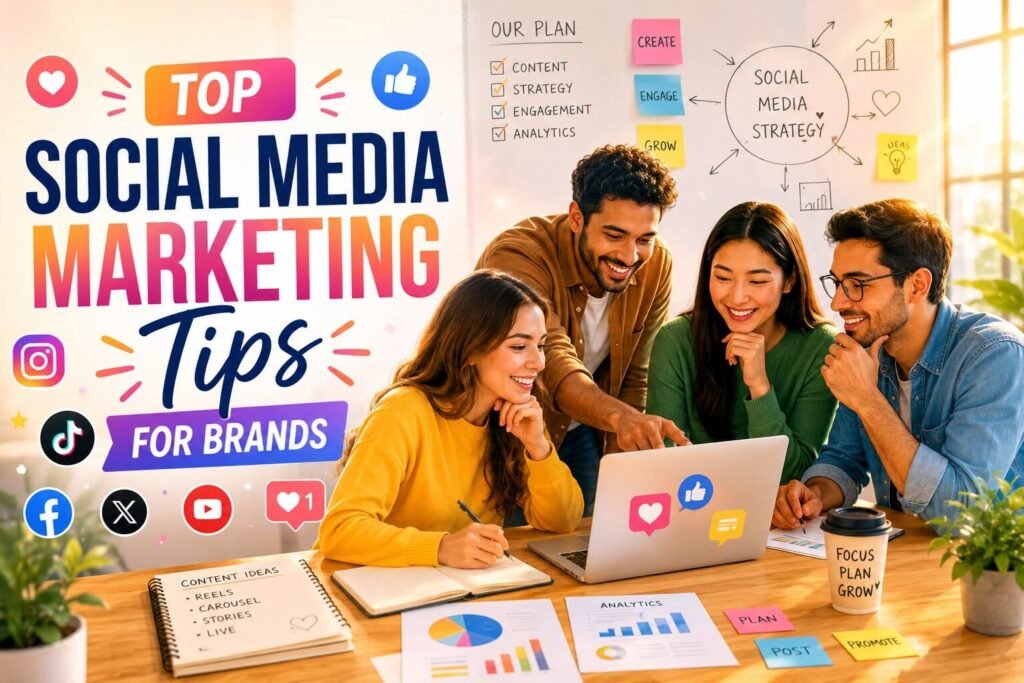
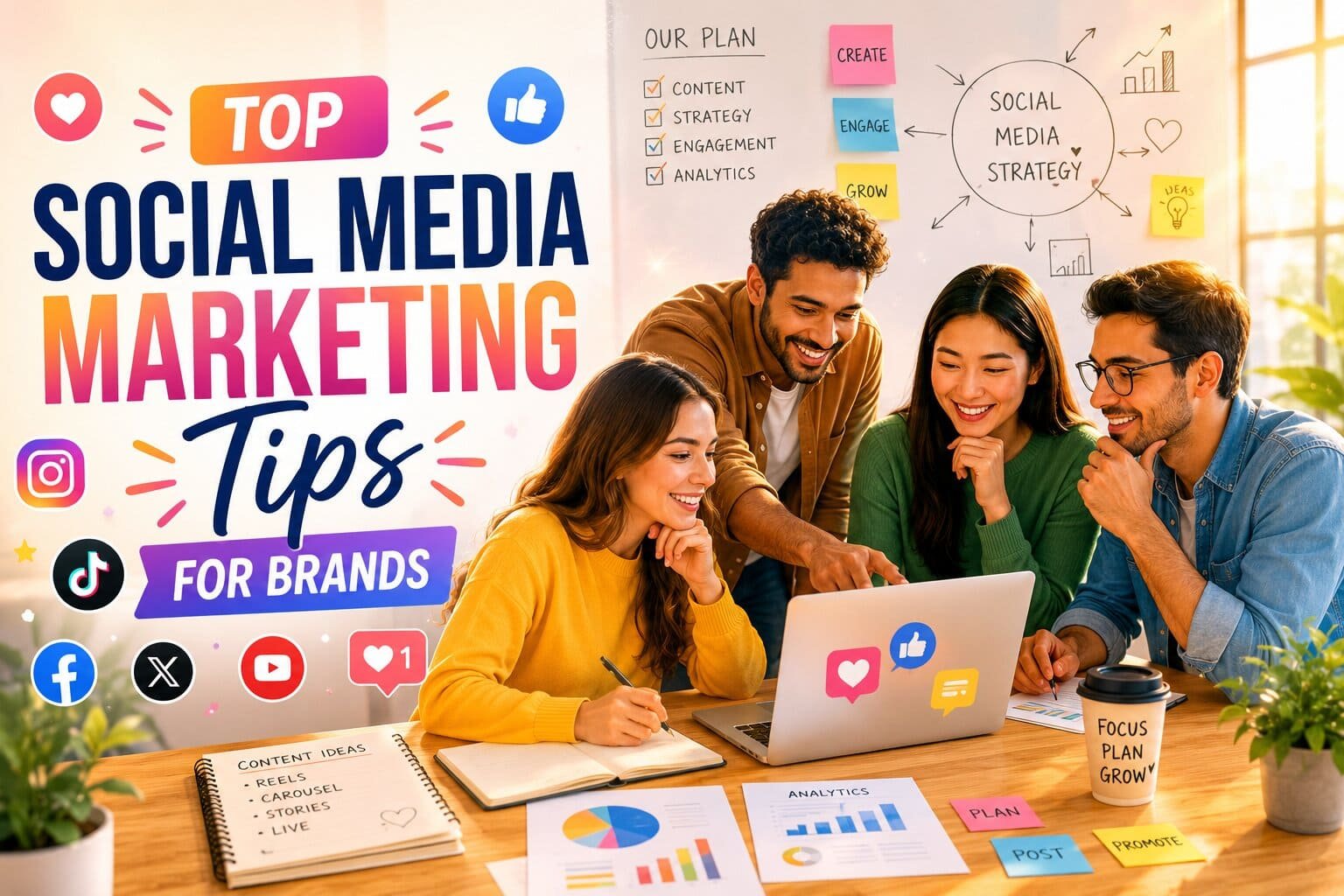
- Social Media Tips for Brands
- Social Media Tips for Companies
- How brands use social media step by step
- content types that get the most engagement
- Social Media Algorithms Made Clear for Businesses
- Smart Ways to Use Social Media for Business
- Social Media Errors Common Among Brands
- tools that help with social media marketing
- What social media marketing might look like after 2026
- Practical Social Media Growth Approach for Brands
- FAQs
- Conclusion
Key Takeaways
- Social Media Success in 2026 Runs on Algorithms Not Posts
- short form video reaches more people on every main platform
- High engagement beats large followings
- Stories and steady posts beat promotion
- Brands mix organic paid community efforts
- Data Driven Optimization Helps Growth at Scale
Why social media marketing matters now more than ever
These days, social media does more than build brand names. It brings in customers and drives sales directly. Platforms hold countless people online every day. Companies paying attention to how folks act on these apps often get ahead. Watching patterns gives them an edge others miss.
The Evolution of Social Media Marketing From 2015 to 2026
Social Media Shifts
- 2015 Basic posts and natural visibility
- 2020 Rise of influencer outreach and audience interaction
- 2026 AI Shapes Personalized Content Through Algorithmic Systems
Brands Need More Than Just Organic Reach
organic reach drops as algorithms favor platform priorities
- Watch time
- Saves and shares
- Meaningful engagement
- Strategy Tips Execution Growth
Understanding Social Media Marketing in Modern Business
What social media marketing actually means today
It is the strategic use of social platforms to:
- Build brand awareness
- Drive engagement
- Generate leads and sales
- Strengthen customer relationships
Difference between posting content vs building a strategy
Posting = Random uploads without direction
Strategy = Planned system aligned with business goals
Role of social media in full digital marketing funnels
Social media supports:
- Awareness (reach new audiences)
- Interest (engagement + education)
- Conversion (leads + sales)
- Loyalty (community + retention)
Key platforms dominating brand growth in 2026
- Instagram (Reels + shopping)
- TikTok (viral discovery engine)
- LinkedIn (B2B authority)
- Facebook (community + ads)
- YouTube Shorts (evergreen video reach)
Core Principles of Successful Social Media Marketing
Audience-first marketing mindset
Brands must understand:
- Who their audience is
- What problems they face
- What content they consume
Top social media marketing tips for brands – Value-driven content over promotional content
Educational and entertaining content outperforms ads-heavy feeds.
Consistency as a growth multiplier
Consistency trains algorithms and audiences to recognize your brand.
One of the top social media marketing tips for brands is Engagement – the new currency of reach
More comments, shares, and saves = higher distribution.
Top Social Media Marketing Tips for Brands (High-Impact Strategies)
Build platform-specific content instead of reposting everywhere
Each platform has unique behavior:
- TikTok → raw, fast content
- Instagram → aesthetic + storytelling
- LinkedIn → professional insights
Focus on short-form video dominance (Reels, Shorts, TikTok)
Short-form video drives:
- Highest reach
- Fastest growth
- Strongest engagement
Hook-based content strategy (first 3 seconds matter)
Examples:
- “Most brands are doing this wrong…”
- “Here’s why your marketing isn’t working…”
Use storytelling frameworks in every post
Structure:
- Problem → Conflict → Solution → Result
Create scroll-stopping visuals and captions
- Bold headlines
- Emotional hooks
- Clear message clarity
Use user-generated content (UGC) for trust building
UGC increases credibility and social proof.
Leverage trend-jacking without losing brand identity
Use trends but align them with brand voice.
Optimize posting time based on audience behavior
Use analytics to post when users are most active.
A/B test content formats for better performance
Test:
- Hooks
- Formats
- Captions
- Visual styles
Social Media Marketing Best Practices for Brands
Build a consistent brand identity (visual + tone + messaging)
Consistency builds recognition and trust.
Use the 80/20 rule (value vs promotion balance)
- 80% value-driven content
- 20% promotional content
Focus on engagement rate, not vanity metrics
Likes don’t equal growth—comments and shares do.
Strategic hashtag research (not random tagging)
Use:
- Niche hashtags
- Industry hashtags
- Low-competition tags
Always include clear CTAs
Examples:
- “Comment your thoughts”
- “Save this post”
- “Visit link in bio”
Respond to comments and DMs to boost algorithm reach
Engagement signals improve visibility.
Repurpose long-form content into micro-content
Turn blogs into:
- Reels
- Carousels
- Tweets
Avoid overposting or content spamming
Quality > quantity always.
Social Media Strategies for Businesses (Proven Growth Systems)
Organic growth strategy for long-term brand authority
Focus on:
- Educational content
- Consistency
- Community building
Paid ads strategy for scaling reach and conversions
Use ads for:
- Retargeting
- Lookalike audiences
- Conversion campaigns
Services to Explore: AI-powered Digital Marketing Solutions
Influencer marketing strategy
- Nano influencers → trust
- Micro influencers → engagement
- Macro influencers → reach
Community-building strategy
- Facebook groups
- Discord communities
- Instagram broadcast channels
Funnel-based strategy
- Awareness → Interest → Conversion → Loyalty
Content pillar strategy
Example pillars:
- Education
- Case studies
- Trends
- Branding
Viral content strategy
Virality formula:
- Emotion + relatability + timing
Step-by-Step Social Media Marketing Guide for Brands
Step 1 – Define clear brand goals
- Awareness
- Leads
- Sales
Step 2 – Identify target audience and buyer personas
Define:
- Age
- Interests
- Problems
Step 3 – Competitor analysis and content gap finding
Identify:
- What competitors lack
- What performs best
Step 4 – Choose the right platforms
Not all platforms fit every brand.
Step 5 – Build monthly content strategy plan
Plan:
- Themes
- Campaigns
- Content types
Step 6 – Create content calendar
Ensures consistency and structure.
Step 7 – Publish, monitor, and optimize performance
Track KPIs:
- Engagement rate
- Reach
- Conversions
Step 8 – Scale what works
Double down on high-performing content.
Content Types That Drive Maximum Engagement
| Content Type | Purpose |
|---|---|
| Educational | Builds authority |
| Entertainment | Drives virality |
| Inspirational | Emotional connection |
| Promotional | Sales conversion |
| Behind-the-scenes | Trust building |
| Interactive | Engagement boost |
Social Media Algorithms Explained for Brands
How engagement signals affect reach
Algorithms prioritize interaction quality.
Why watch time matters more than likes
Retention = stronger ranking signal.
Role of saves, shares, and comments
These signals boost distribution significantly.
Platform differences
- Instagram → saves + shares
- TikTok → watch time
- LinkedIn → dwell time
- Facebook → group engagement
How to optimize content
- Hook fast
- Keep retention high
- Encourage interaction
Advanced Social Media Marketing Techniques
Psychological triggers in content marketing
- Curiosity
- FOMO
- Social proof
Emotional marketing
- Fear
- Aspiration
- Belonging
Content virality formula
Simplicity + Emotion + Relatability
Story-driven sales approach
Stories convert better than direct selling.
Personal branding for business growth
Founders increase trust and authority.
Data-driven optimization
Use analytics to refine strategy continuously.
Social Media Marketing Mistakes Brands Must Avoid
- Posting without strategy
- Ignoring analytics
- Inconsistent branding
- Over-promoting content
- Copying competitors
- Ignoring engagement
Tools for Social Media Marketing Success
- Content creation tools (Canva, AI editors)
- Scheduling tools (Buffer, Hootsuite)
- Analytics tools (Meta Insights, TikTok Analytics)
- AI tools for content ideas and optimization
Future Trends in Social Media Marketing (2026 and Beyond)
Rise of AI-generated content
AI will automate content creation and personalization.
Short-form video dominance
Reels and Shorts will continue leading engagement.
Social commerce growth
Users will shop directly on platforms.
Hyper-personalized content
Feeds will become highly personalized.
Community-based growth shift
Communities will replace follower-based growth.
Real-World Social Media Growth Framework for Brands
30-day content execution plan
- Week 1: Awareness content
- Week 2: Engagement content
- Week 3: Trust-building content
- Week 4: Conversion content
Scaling from zero to engagement
- Focus on consistency
- Analyze top-performing posts
Turning engagement into leads
Use:
- Landing pages
- Lead magnets
- Retargeting ads
Building long-term authority
Authority comes from consistency + value delivery.
FAQs – Social Media Marketing for Brands
Focus on short-form video, storytelling, engagement optimization, and platform-specific content strategies.
Maintain consistency, prioritize engagement, use value-driven content, and track analytics.
By defining goals, analyzing audiences, choosing platforms, and building structured content calendars.
Instagram, TikTok, and LinkedIn currently offer the highest growth potential depending on industry.
Consistency matters more than frequency—quality daily or 3–5 posts weekly works best.
Consistency matters more than frequency—quality daily or 3–5 posts weekly works best.
Building a Sustainable Social Media Presence Over Time
Key takeaways from this guide
- Strategy beats random posting
- Engagement drives reach
- Video dominates visibility
- Why consistency beats short-term viral success
- What sticks isn’t the flash – it’s showing up, again and again. Trust grows slowly, not in bursts.
Final advice for brand growth in 2026
Out front, some brands mix numbers with fresh ideas while sticking to a steady rhythm. Those who track patterns but still surprise people tend to stand out online. A regular pace – paired with smart choices – carries further across networks. Staying sharp means using facts without losing flair. Long-term presence grows when logic meets originality every time.
Why Purvansh Infotech?
Purvansh Infotech builds smarter marketing using artificial intelligence, so brands grow without guesswork. Instead of old methods, it uses automated tools that learn and adapt over time. Growth comes from data that guides every move, not hunches. Performance tracking shapes strategy, making results clearer with each step forward. Intelligence powers decisions here – no templates, no shortcuts.
We focus on:
- Data-backed marketing systems
- AI-powered optimization
- Scalable social media growth frameworks
- Conversion-focused campaign design
Applying the Guide
To implement this effectively:
- Audit your current social media performance
- Redesign content strategy using pillars
- Shift focus to short-form video
- Track engagement metrics weekly
- Optimize based on data insights
- Scale winning content formats